
Oilseed Rape Quality Inspection
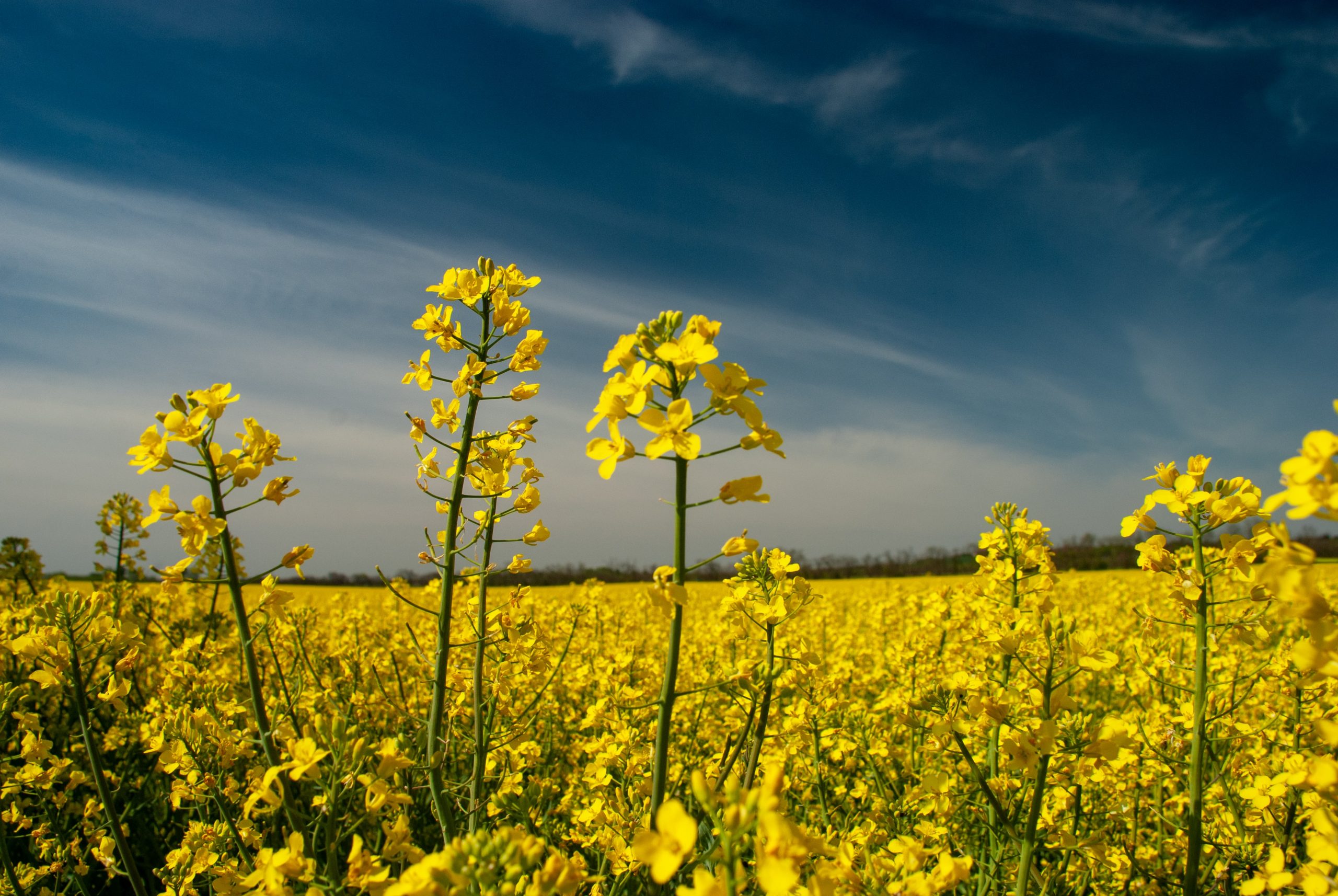
With rapeseed being the world’s second largest source of vegetable oil, quality inspection of this seed is becoming increasingly more crucial to meet the required safety and quality standards.
The manual inspection process can often be time-consuming and inaccurate, costing farmers, producers and traders valuable time and resources.
With AI-driven multispectral imaging, however, quality control can improve in efficiency, precision and objectivity.
Classification Models
Enhance the quality inspection of your grains with the VideometerLab Autofeeder and its powerful spectral
imaging technology.
Videometer offers subscription classification models, which allow users to analyse various features of their commodity products in a fast, objective and reliable manner. Subscription models are continuously updated and trained to ensure accurate analysis of grains.
1
OSR
Purity, damages.
4
Sunflower
Purity, varietal purity, damages.
2
Soybeans
Purity, color, damages.
5
Cowpea
Purity, damages.
3
Faba Beans
Purity, varietal purity, damages.
Videometer Webinar for Oilseed Rape Quality Inspection
On March 24th 2021 Videometer’s CTO, Dr. Karsten Hartelius, ran a webinar, introducing an international audience to the VideometerLab Autofeeder for Rapeseed Oil Quality Inspection.
During the webinar, the features and characteristics of the VideometerLab Autofeeder were illustrated in great detail and, specifically, its application to Oilseed Rape Quality Inspection was the focus of the conversation.
The webinar ended with a Q&A session, where attendees were able to forward their inquiries about the product and technology directly to our two experts.
Re-Watch the Webinar Here!
Do you have models for other grain types?
Yes, we have. We have classification models that measure purity and seed health for various oil and protein crops, including corn, barley, sunflower and more within vegetable seeds.
Do I get a weight-based result?
You do get an optical weight-based result. Once weight density for the different classes is identified, it is possible to output weight-based classifications within the results.
Can the model be used outside of Europe?
It is possible for all customers, no matter their location, to get a model tuned in for their specific geographical region. The model will present the same functionality as the European model, but with the individual requirements of the client’s location.
Is there an option to physically separate different classes or materials?
Yes, it is possible. At the moment we have two options for physical sorting of seeds or grains, based on their classification: the Videometer SeedLab and the Videometer SeedSorter. Learn more about them on their respective pages.
Sunflower Seeds
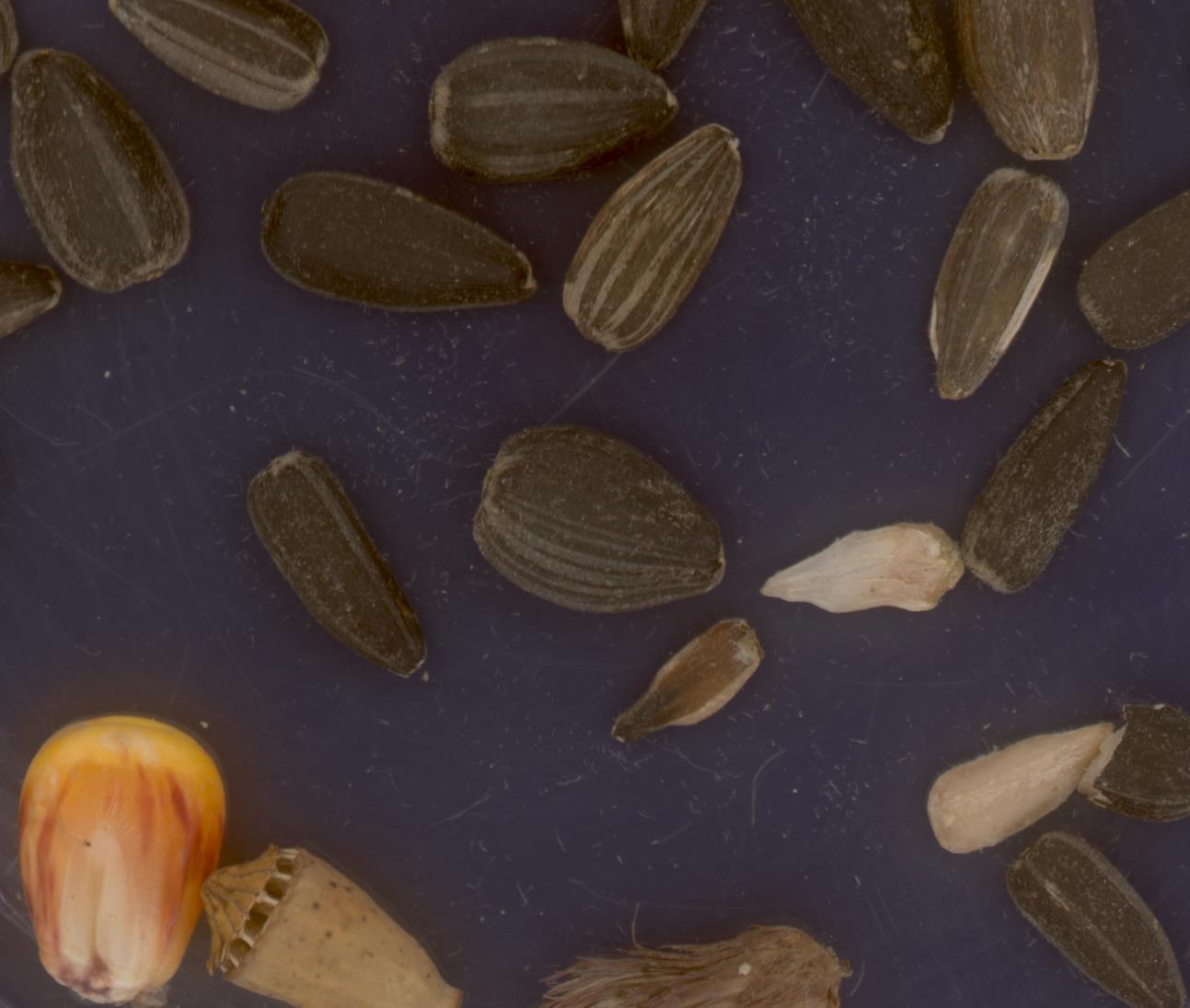
Sunflower seed admixture content (non-sunflower content), like other oil and protein crops, can be determined fast and precisely with a VideometerLab Autofeeder. A model is being developed to:
-
Determine sunflower seed content compared to non sunflower (admixture) – Breakdown of admixture content
-
Inert material such as stones, sticks
-
Determine foreign seeds such as cereals, weeds
-
Analysis of a 200 g sample within 5 min with about 1% error
-
Report and document data both visually and in Excel
-
Determine seed coat color, size, texture, and shape distribution
-
Determine hilum color, size and shape
-
Determine genetic purity: transgenic vs non-transgenic
-
Report and documentation both visually and in Excel
Soybean Quality Assessment
The soybean quality assessment is based on the following principles:
Color, size, shape, texture
Hilum properties
Surface chemistry
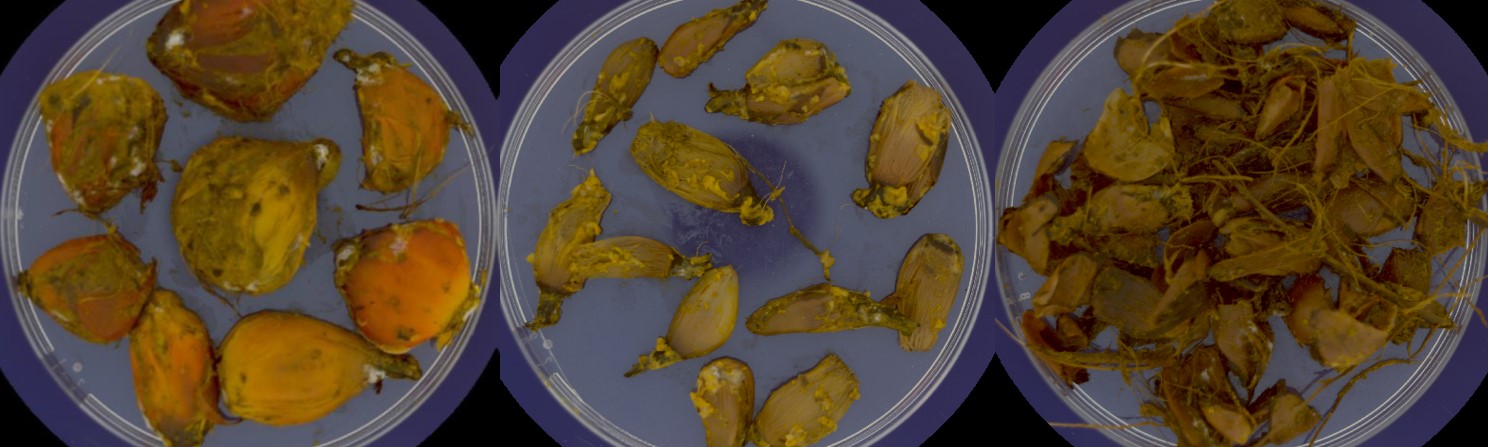
Palm Fruit
Quality assessment of palm fruits: good, seedless, and trash.
Contact us
Get in touch to learn more about Videometer’s oil and protein crop applications and solutions.